
Museums
Let It Shine,
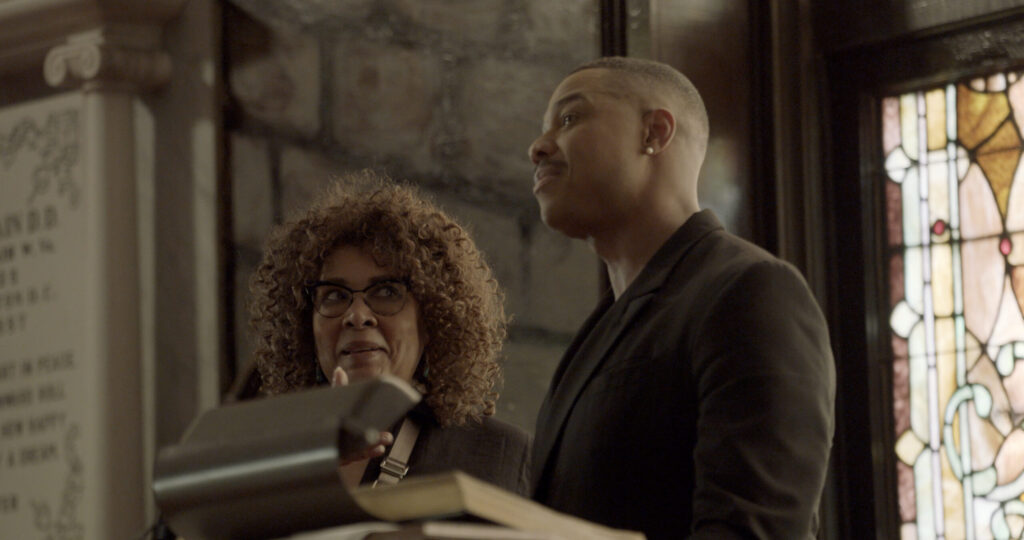
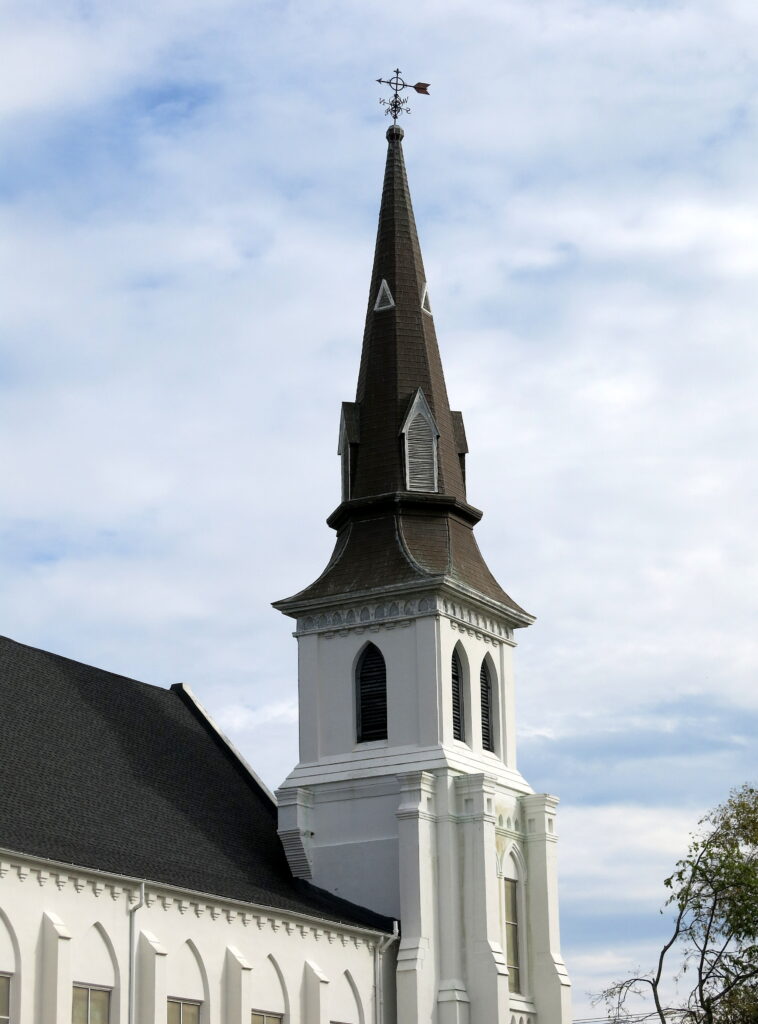
Years ago, Hamza Walker approached opera singer Davóne Tines to contribute to what would become “MONUMENTS,” the sweeping exhibition at The Brick and MOCA in Los Angeles that interrogates American identity through relics of its past. The pair’s ambling dialogue culminated in the short film HOMEGOING, a collaboration between Tines and filmmaker Julie Dash that commemorates the 10-year anniversary of the horrific shooting Mother Emanuel AME Church in Charleston, South Carolina. To mark the film’s release, Tines sat down with Dash to discuss their shared roots in the South, the role of ritual in healing, and the exhibition that made it all possible.
“On the school bus in rural Virginia, we would drive through former Civil War battlefields, through gerrymandered architectures of socioeconomic divide, grand colonial farm estates (many were former plantations), and overgrown shacks my grandmother pointed out as our ancestors’ slave cabins. My work as a singer and creator became tethered to the need to unknit and understand those complex landscapes.
When Hamza Walker approached me to make something for ‘MONUMENTS,’ I felt a deep need to participate.
Our conversation lasted three years. Hamza eventually guided me to memorialize the impetus for the Confederate monuments coming down, and the impetus for the exhibition: the anti-Black mass shooting and hate crime that occurred on June 17, 2015 at Mother Emanuel AME Church, killing nine congregants during an evening Bible study.
I didn’t have a relationship to the church, so Hamza, a small team, and I visited to start building a relationship with its pastor, administration, and the space itself. We went on a sweltering tour through Charleston’s haunted streets. Our tour guide attempted to walk the tightrope of opposing perspectives on secrets-in-plain-sight: wedding cake–like Victorian seaside mansions belying the torment of the auction block a few streets away. After that, I decided to sleep through the next morning’s tour of the old slave market. Lol.
We visited the church in the early evening. A congregant let us in through a side door that led to the stage-right side of the sanctuary near the pulpit. Compared to the church I grew up in, this one was massive: a two-story sanctuary of warm, dark woods with a wraparound balcony and richly detailed stained glass windows in monumental filigree.
I wandered off into the cavernous sanctuary lit by the sunset pouring through the ample glass. The 1891 floorboards creaked musically as I walked to the center of the red velvet pews. When I sat, a familiar scent of old wood, fabric, humid air, and hymnal pages took me to my home church, Providence Baptist in Orlean, Virginia. Our floors sang the same way; the same scents wafted, but the feeling was different. I knew what had taken place here, and that heaviness pulled me down into the pew, knitting feelings of physical vulnerability and fear together with a space where I never expected to feel those things—the church, an epicenter of Black community. It revealed that pain and threat move through the same networks as connection.We invited Julie Dash to make a film based on the song ‘Let It Shine,’ made with my band the Truth, to offer hope and healing in this sacred building. During the shoot, Julie opened the door to her Charleston.”
—DAVÓNE TINES